Why People Stay
The Secret Ingredient Behind Places People Choose
Some places stay with you.
You visit for a few days…for a conference, a long weekend, a scouting trip and suddenly you’re imagining a life there.
Morning walks to a bakery.
Familiar faces at the café.
A restaurant where the chef feels like a neighbor, not a celebrity.
It’s rarely the architecture alone that creates this feeling.
It’s not the size of the buildings.
It’s the life stitched between them.
Across cities + communities around the world, historic town centers, emerging downtowns, and new master-planned places alike — the locations people are least likely to leave share something in common.
They don’t just function well.
They feel right.
People feel at home.
They feel proud.
They feel a growing sense of belonging over time.
Belonging isn’t sentimental.
It’s structural.
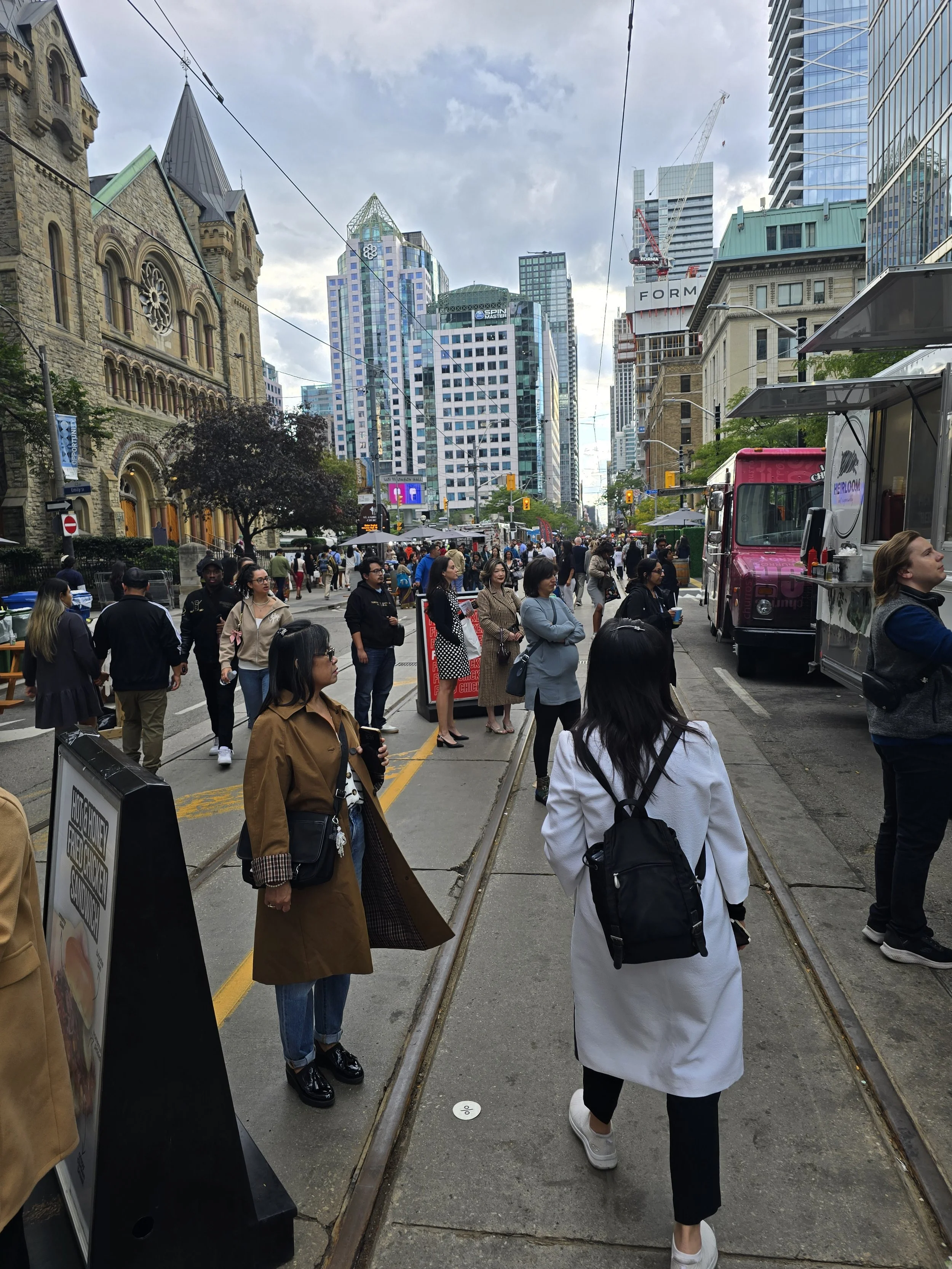
From my Sept 2025 trip to Toronto, CA —>
And it’s where thoughtful placemaking and incremental, human-scale retail quietly do their most important work.
What Makes Places “Sticky”
In my work advising developers and cities, I often hear the same assumption: that “sticky” places are created through scale: larger anchors, bigger programs, more spectacle.
But the places people actually commit to? They’re built on something simpler and harder to manufacture.
They’re built on:
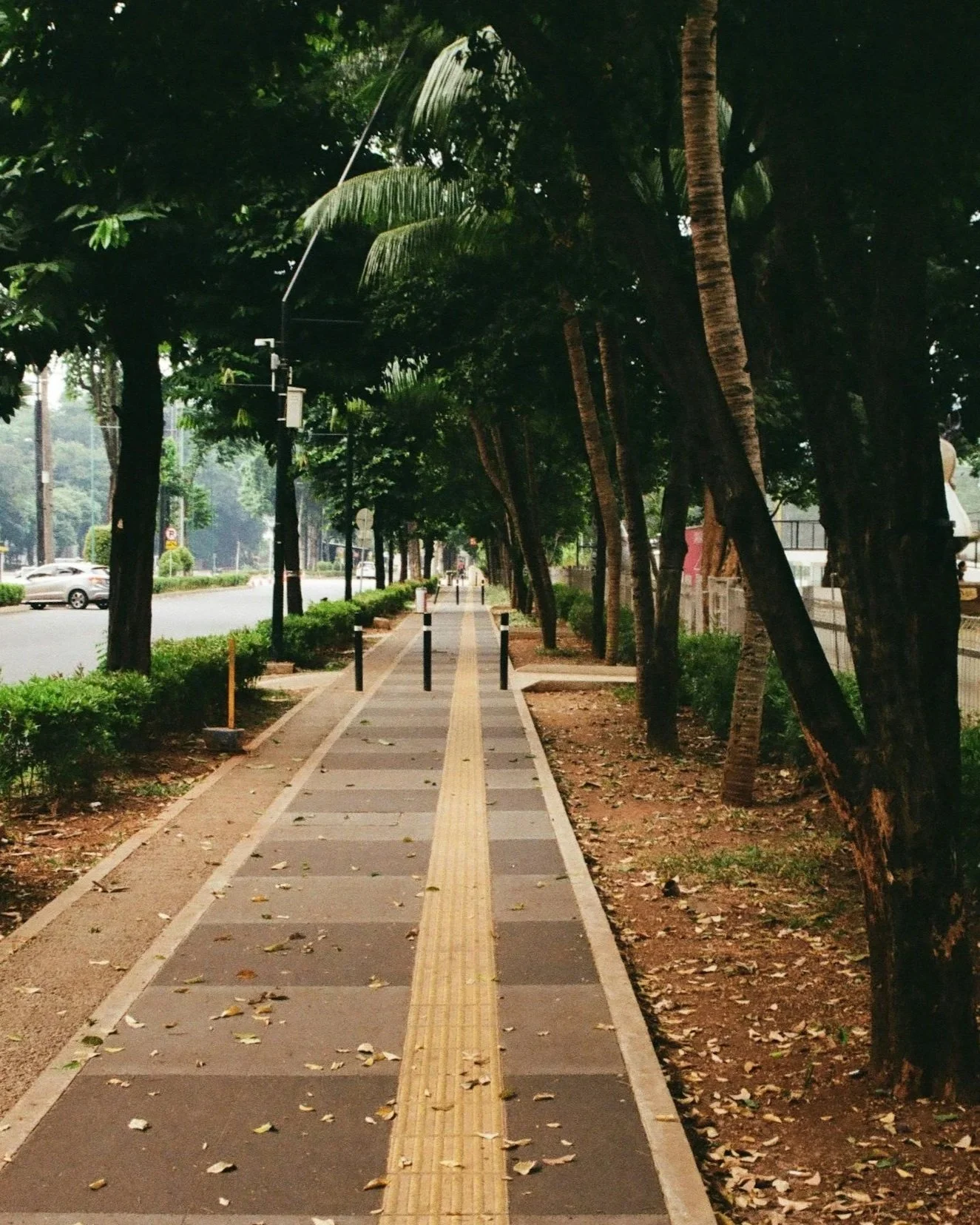
Familiarity - Walkable streets where daily rhythms form. (Where Jane Jacobs soul lives.) The same bell on the shop door. The same corner table. The comfort of recognition.
Serendipity - Unplanned encounters — neighbors, shopkeepers, friends-of-friends — that turn routine errands into social moments.
Belonging - Spaces that make people feel expected, not merely accommodated. Places where residents see themselves reflected and invited into the story.
It’s not about scale.
It’s about human scale.
Where Soul Actually Grows
The most enduring places leave room for curiosity.
They allow small ideas to test, adapt + grow.
The pop-up bakery that becomes permanent, the bookstore that turns into a gathering space, the café that starts as an experiment and becomes a cornerstone of daily life.
This kind of growth can’t be forced.
But it can be designed for.
We see it emerge when communities:
Curate local + emerging businesses that bring their own networks and relationships
Offer smaller, more flexible spaces that lower barriers to entry
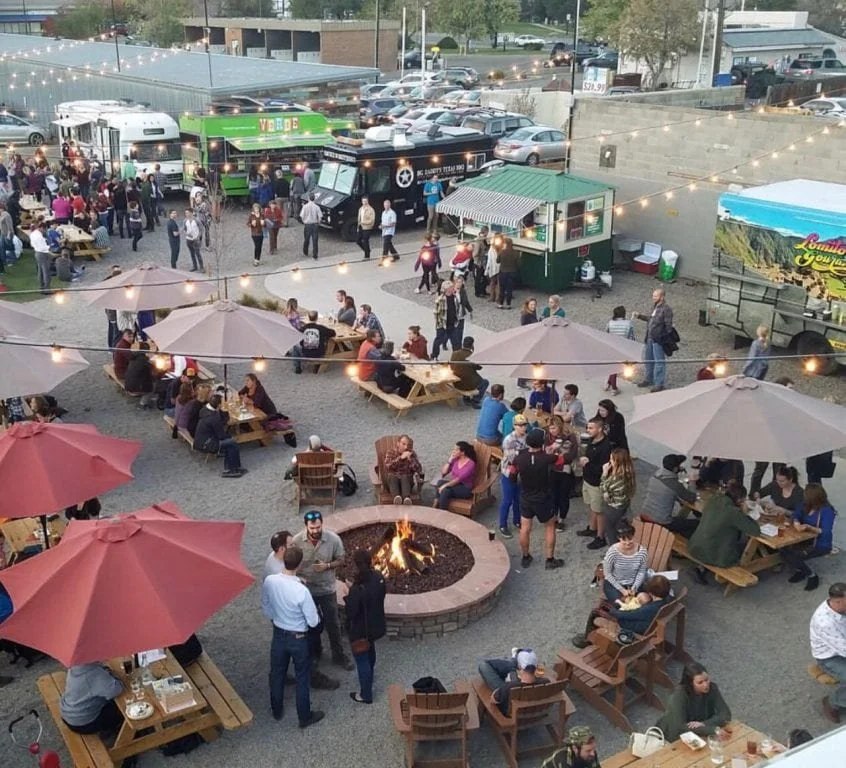
Prioritize public life: plazas, patios, porches + parks, where daily interaction is not only possible, but encouraged
When people are invited to contribute their own flavor, places become more than destinations.
They become repositories of memory.
The Real Measure of Success
When communities ask how to measure whether this approach works, my answer is always the same:
Watch for roots.
When residents open second locations instead of leaving.
When local operators become trusted figures, not temporary tenants.
When visitors say, “I could see myself living here” — and eventually do.
That’s the real return.
Not just rent rolls.
Not just absorption.
But attachment.
The places that last aren’t the ones that optimize fastest.
They’re the ones people choose, again and again, as the backdrop for their lives.
It’s not about square footage.
It’s about soul per square foot.
Not just retail.
Not just real estate.
Connection. And we need more of it.
💭 If you’re thinking about how to create places people choose — not just once, but over time — I welcome thoughtful conversations with developers, city leaders, and land stewards shaping the next generation of communities.