It’s Not About Sidewalks. It’s About Smiles.
What walking cities around the world taught me
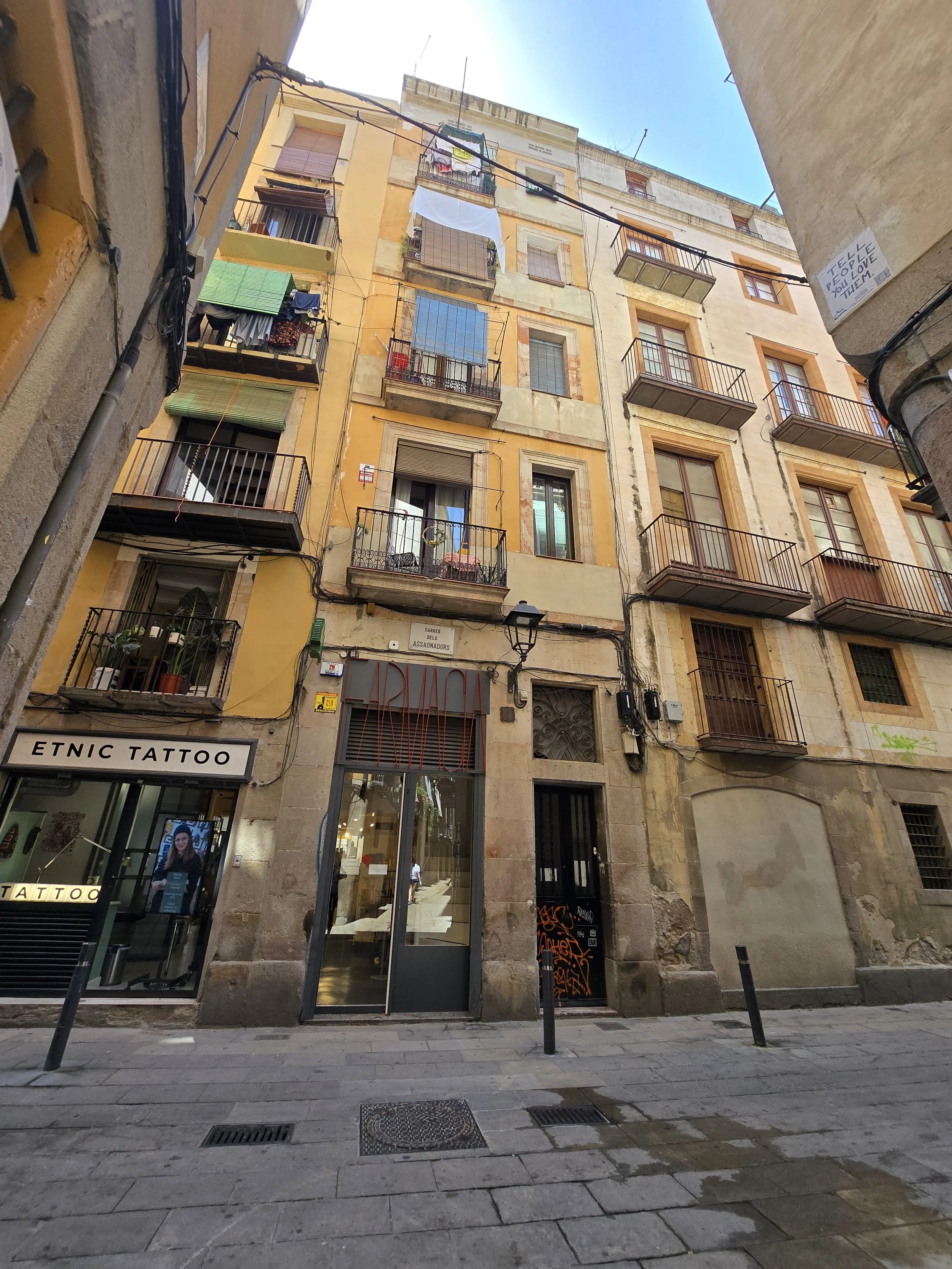
I’ve walked streets where daily life unfolds at eye level.
In Barcelona, neighbors gather beneath the shade of trees, their conversations spilling across café tables.
The day doesn’t begin with urgency, but with recognition — a nod from the barista, a greeting from the shopkeeper, a pause to connect before moving on.
In Amsterdam, even a quick trip to the grocer feels communal.
Bicycles rest against bridges, baskets filled with bread and flowers. Inside, people linger, not because they must, but because the space invites it.
In Bangkok, the streets hum with motion. Food sizzles, jasmine lingers in the air, and strangers pass one another in close quarters. And still, there is grace: a bow, a smile, a moment of acknowledgement that transforms density into dignity.
Across countries, cultures, and climates, the same truth reveals itself:
Walkability creates belonging.
Not because of the sidewalk itself — but because of the moments it makes possible.
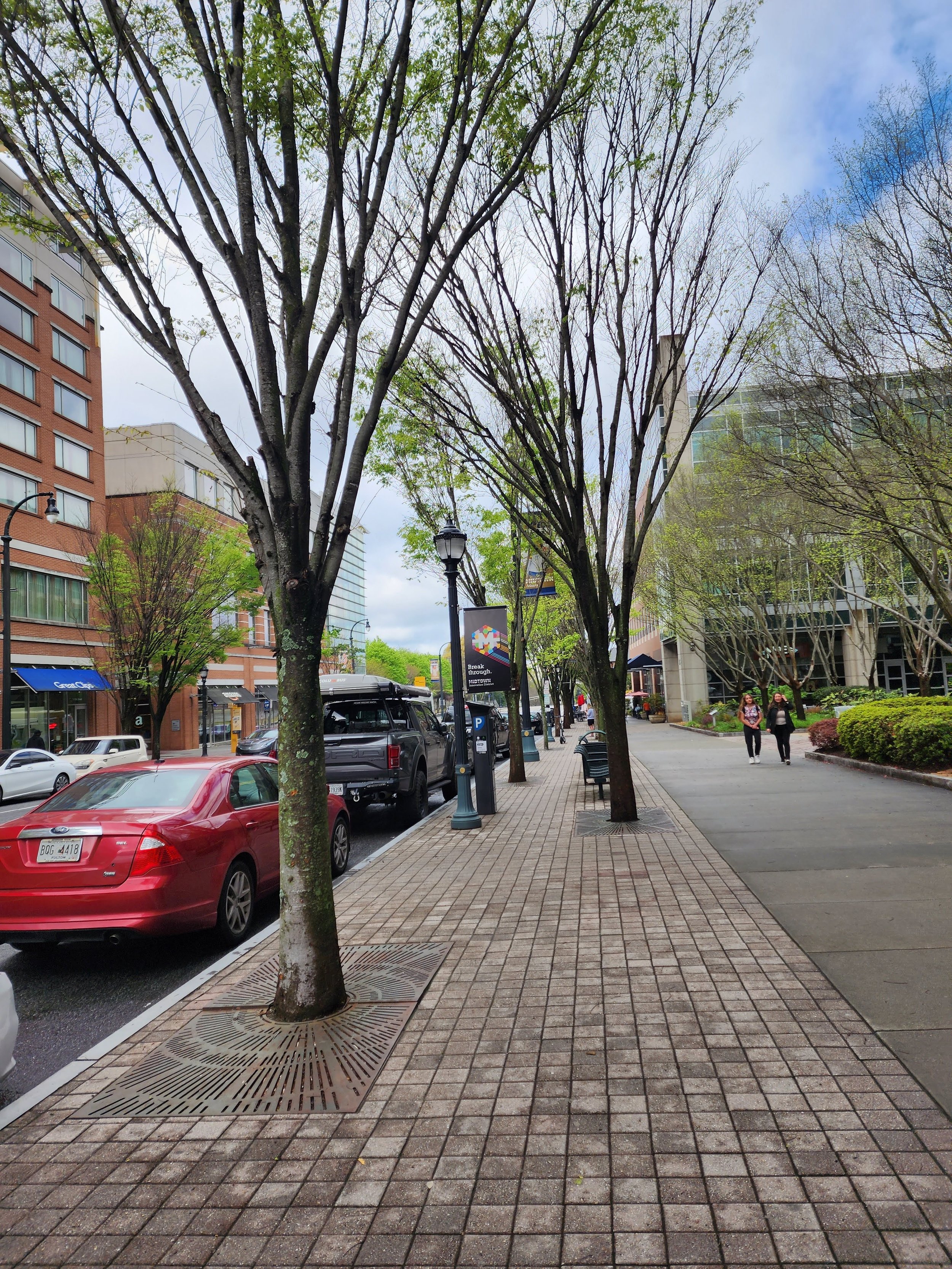
Walkability Is Not Infrastructure Alone
Too often, walkability is discussed as a technical feature: widths, materials, connectivity.
But people don’t remember the pavement.
They remember the conversations that happen on it.
Walkability works when it supports:
Daily rituals — coffee runs, school drop-offs, evening walks
Chance encounters — neighbors becoming familiar faces
A sense of ease — moving through place without friction or planning
This is why walkable places feel different.
They are designed for interaction, not just movement.
What Walkability Really Means in Communities
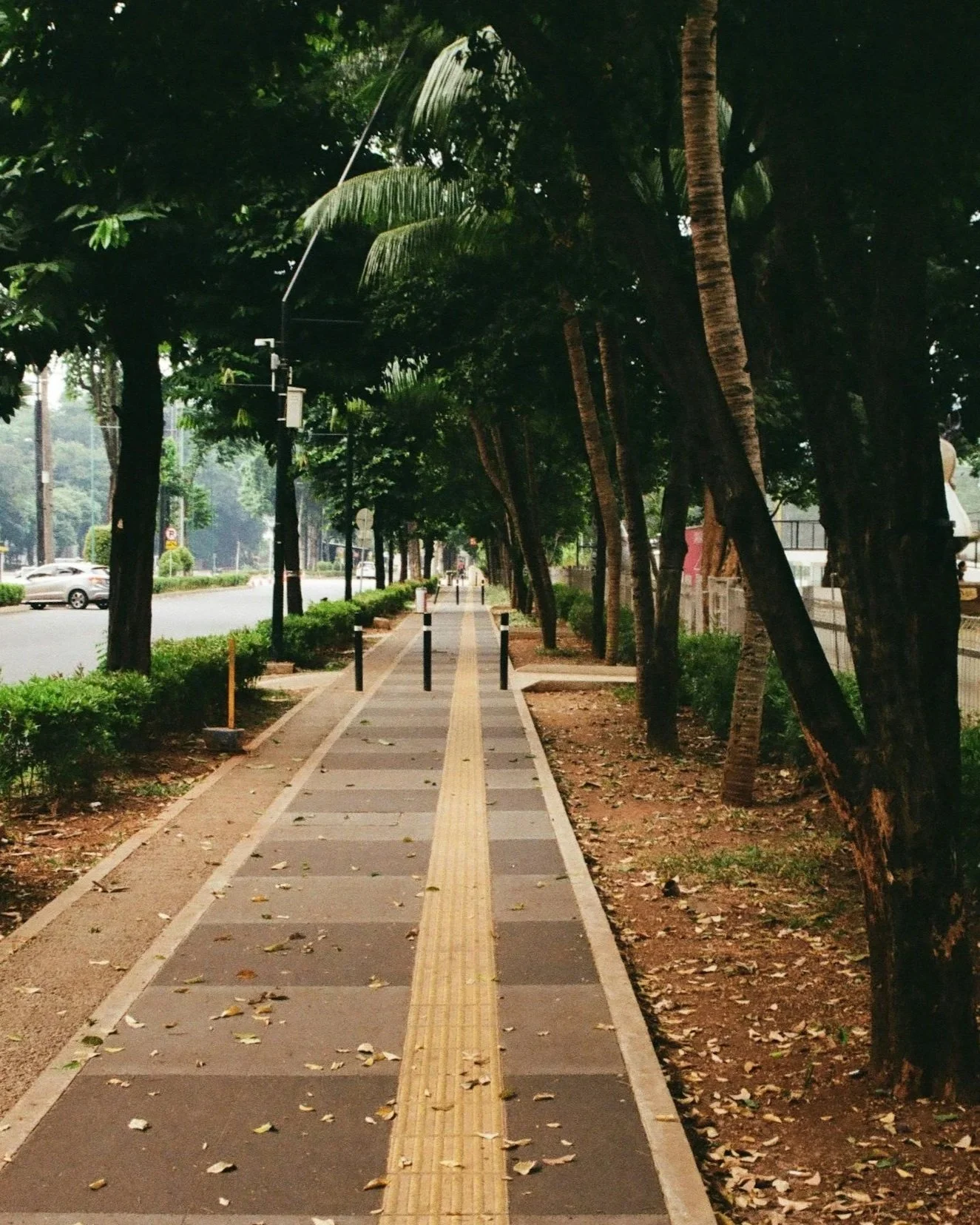
In emerging downtowns and master-planned communities, walkability cannot be reduced to paths between destinations. It’s defined by what you encounter along the way.
Places that foster belonging layer in:
Everyday anchors — local cafés, bakeries, markets, and services that support routine
Human-scale commerce — businesses small enough to feel personal, visible enough to feel inviting
Spaces for surprise — pocket parks, informal gathering spots, pop-ups that encourage lingering
These elements create gravity. They slow people down — in the best possible way.
Because belonging doesn’t happen at speed.
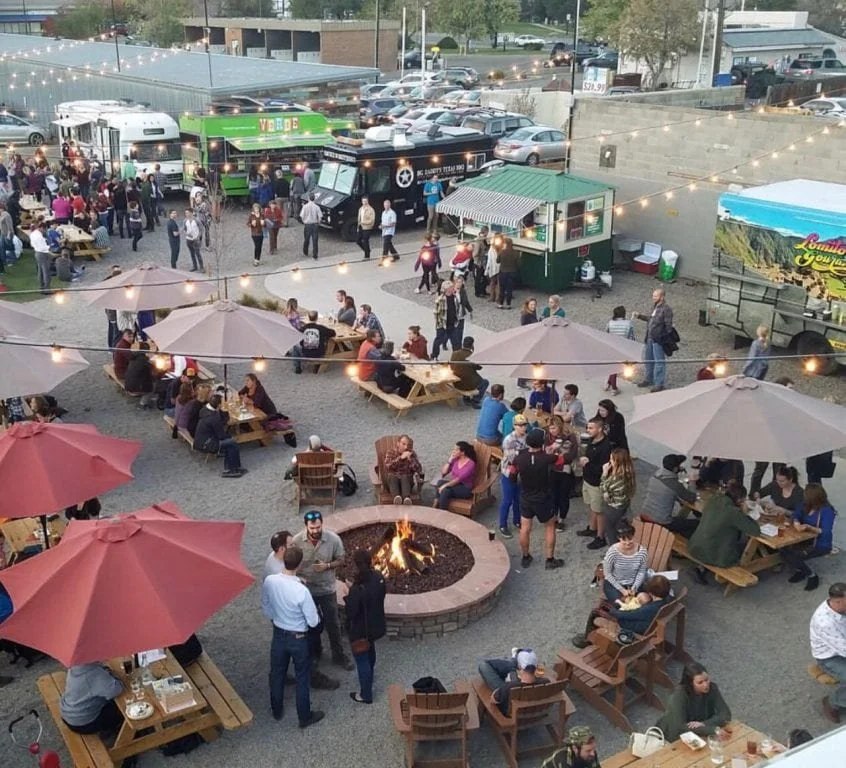
Designing for Belonging, Early
One of the most common mistakes in large-scale development is treating social life as a later phase.
Retail and food are postponed.
Public space is softened.
Connection is assumed to emerge on its own.
But belonging is not an outcome — it’s a design decision.
Communities that endure integrate daily-life destinations from the beginning. They make them visible, accessible, and central — not hidden behind parking or deferred to future phases.
Housing becomes neighborhood.
Density becomes culture.
This essay reflects patterns I’ve observed across walkable cities and emerging communities around the world.
If you’re shaping places where daily life, culture, and connection matter, I welcome thoughtful conversation.