Vacancy Isn’t a Failure. It’s a Pause.
Most people see an empty storefront and think:
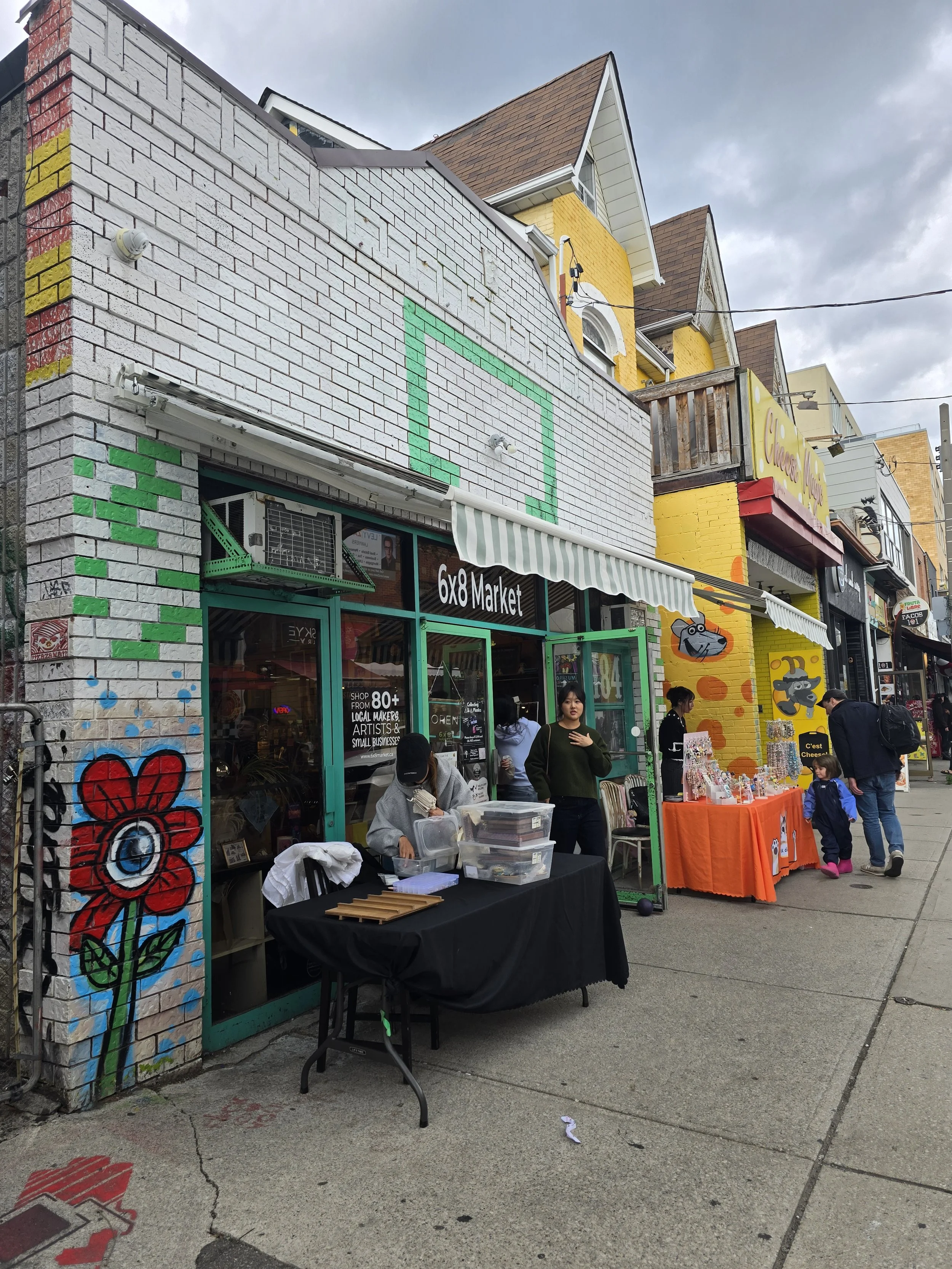
Problem.
Risk.
Something to cover with vinyl.
But after years of working at the intersection of real estate, food, culture, and community, I’ve learned something different:
Vacancy isn’t a failure.
It’s a pause.
And pauses are full of possibility—if you know how to listen.
That lesson came into sharp focus during a recent Hustle + Heart conversation with Evan Snow, co-founder of Zero Empty Spaces.
Evan and his team do something deceptively simple—and deeply transformative.
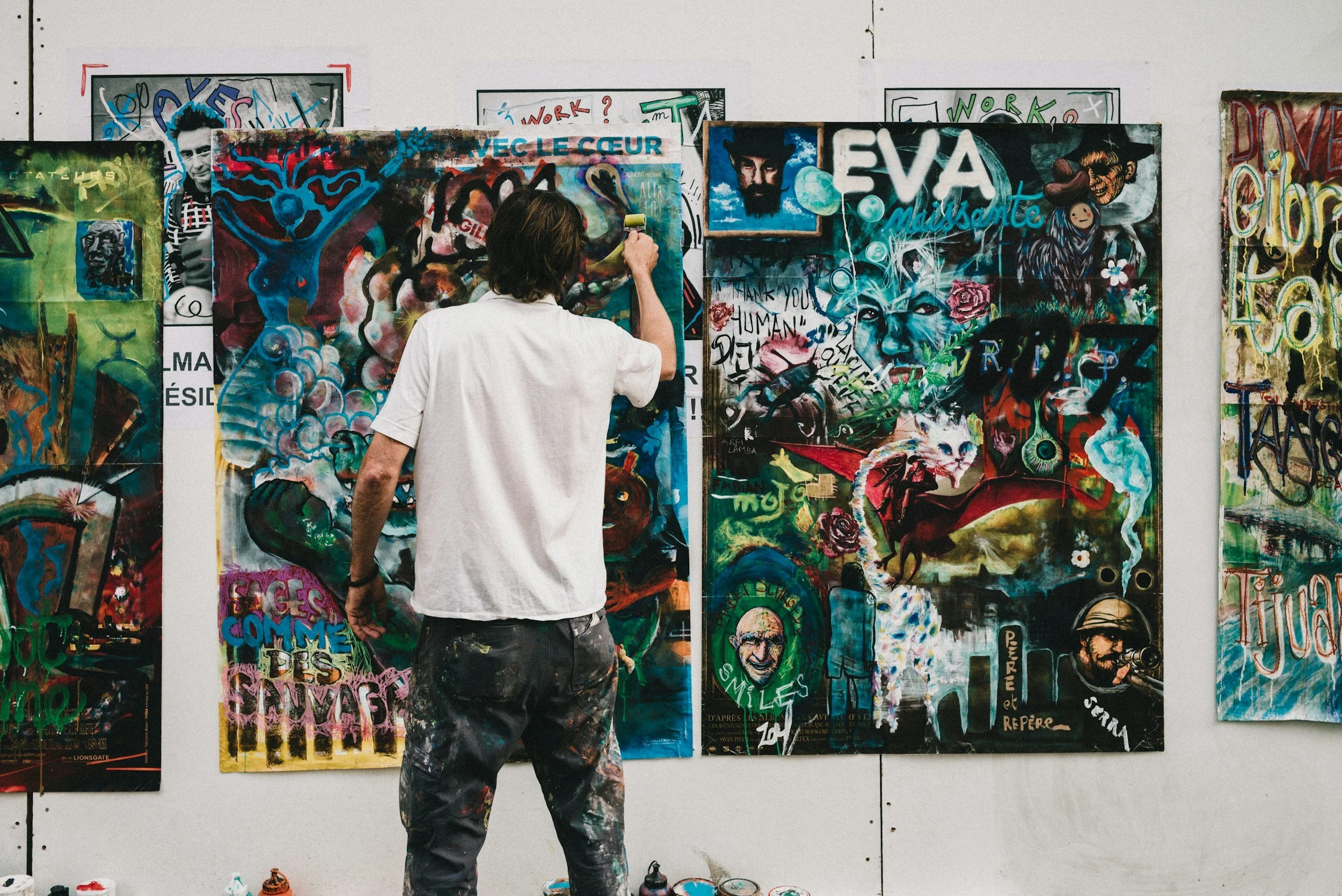
They activate empty commercial spaces with working artists.
Not murals.
Not “art as decor.”
But visible, daily creation.
As Evan put it:
“What if we could make this one of the most affordable places to create in?”
“What if there was no more empty space—or better yet, zero empty spaces?”
That question changed everything.
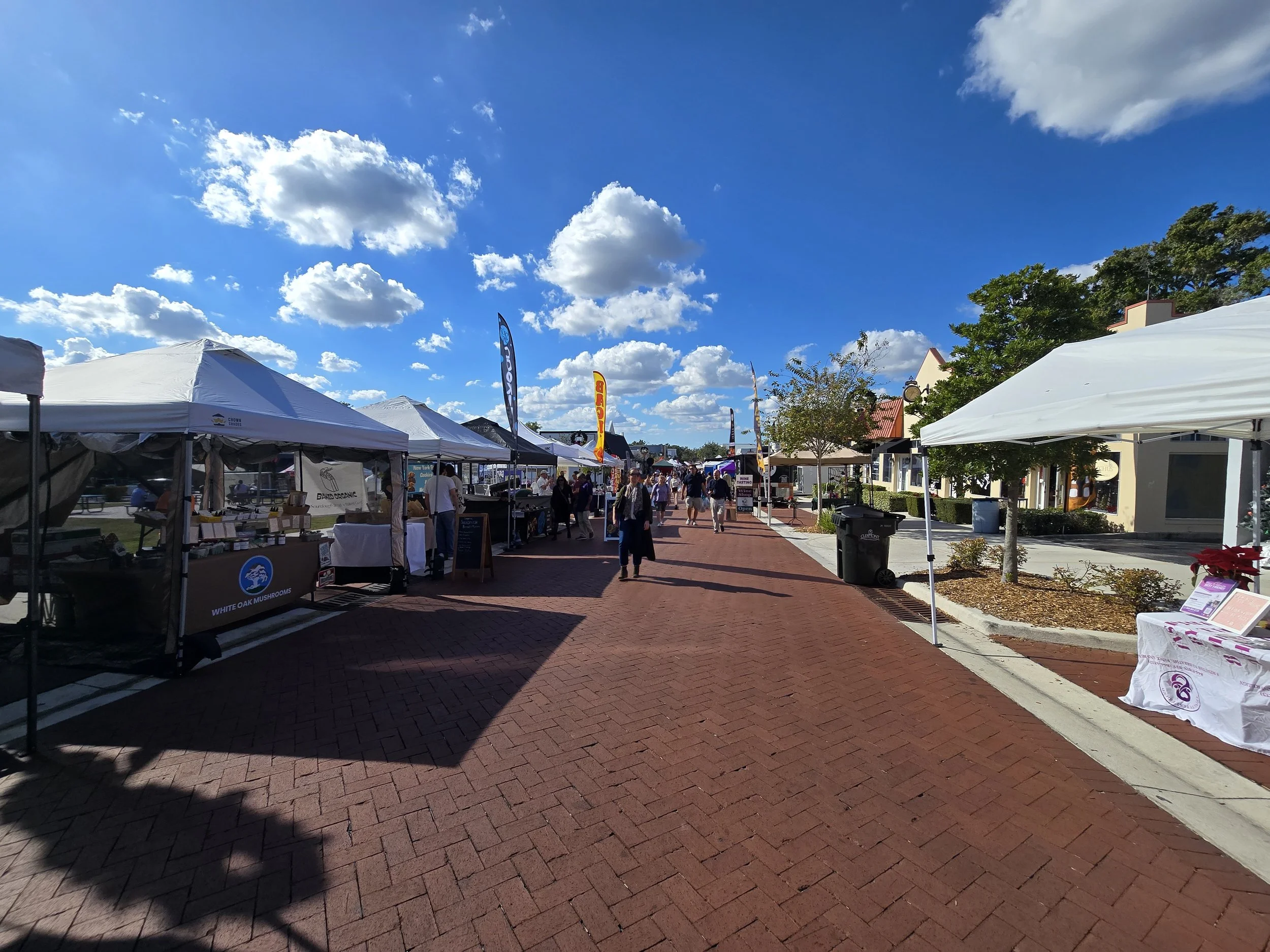
When Energy Moves In, Leasing Follows
One of the most powerful moments in our conversation was hearing how long-vacant spaces—some empty for three to five years—came back to life.
Doors opened.
Artists showed up.
Neighbors followed.
Within months, permanent tenants signed leases.
Not because rents dropped.
Because perception shifted.
Evan described it simply:
“Closed doors don’t generate positive press.”
And this line stopped me cold:
“You couldn’t pay a PR firm to write the kind of stories that happen when a space is alive.”
This is the part of development we rarely model.
People don’t fall in love with square footage.
They fall in love with momentum.
The ROI That Doesn’t Fit in a Spreadsheet (But Shows Up Anyway)
Yes—there are tangible wins:
Faster leasing timelines
Reduced insurance risk
Daily monitoring of spaces that would otherwise sit dark
Increased foot traffic and dwell time
But the deeper impact shows up elsewhere.
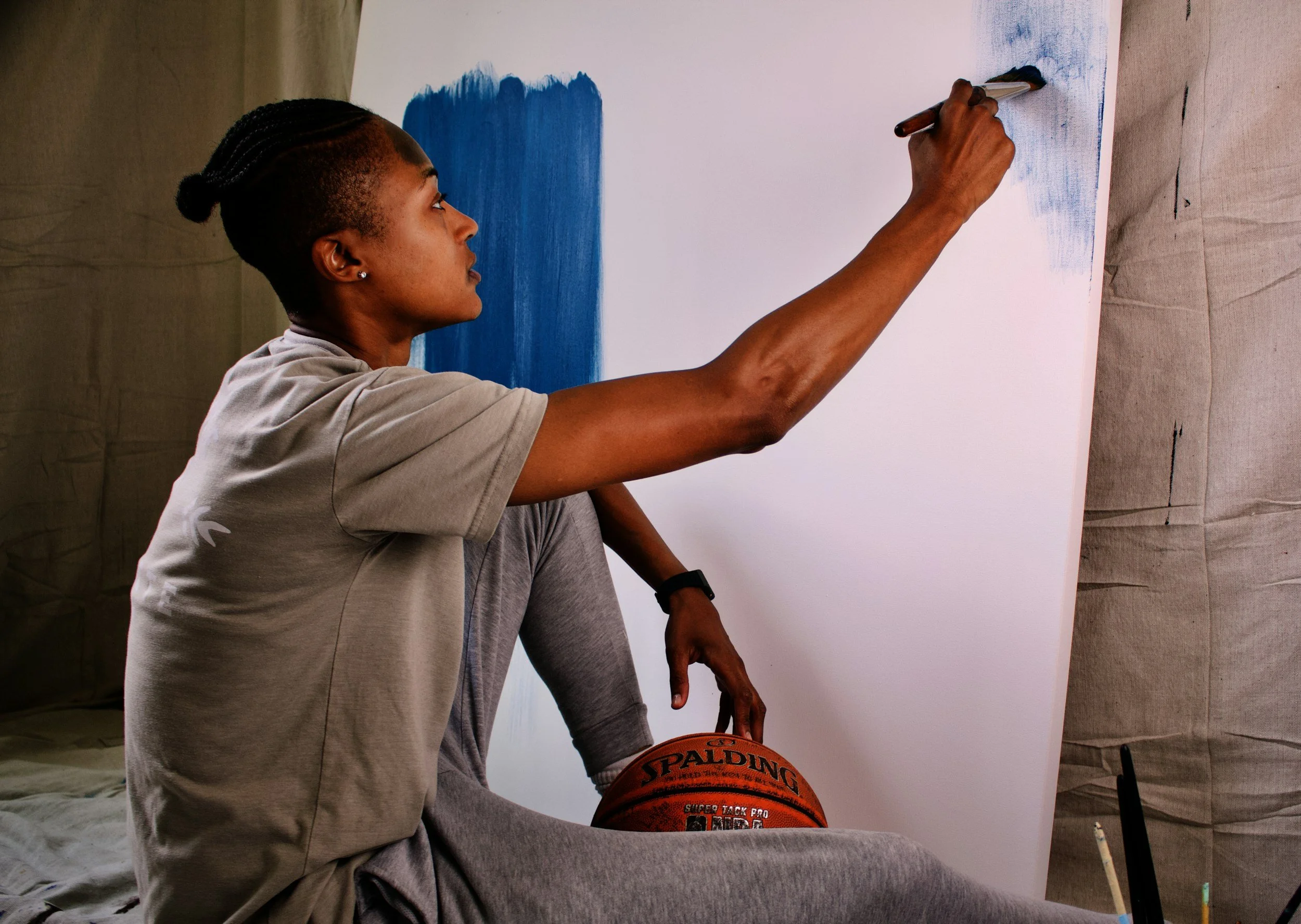
Artists selling their first work publicly.
Residents discovering neighbors they never would have met.
Communities seeing themselves reflected in the space.
Evan shared:
“This is the first time I’ve ever been able to call myself an artist.”
And another that still gets me:
“Everybody starts somewhere. Everybody deserves that opportunity.”
That’s not just creative placemaking.
That’s social infrastructure.
Third Places Matter More Than Ever
We talked a lot about third spaces—the places between home and work where real life actually happens.
Evan framed it beautifully:
“You can only go to the coffee shop so many times.”
“People want places where they can linger, connect, and feel part of something.”
When those spaces exist, something else happens.
Talent sticks.
Companies follow.
Investment accelerates.
Not because of incentives—but because culture came first.
This Is Why Placemaking Can’t Be an Afterthought
Too often, placemaking is treated as something you add after the deals are done.
But the most resilient projects I’ve seen flip that script.
They start with questions like:
Who belongs here?
What’s missing from daily life?
How does this space serve people before it serves the pro forma?
Evan reminded us:
“We didn’t get into this to make the most money possible. We developed a way to make this sustainable - for artists, owners, and communities.”
That balance?
That’s the work.
If You’re Sitting With an Empty Space…
Maybe the question isn’t:
“How fast can we lease this?”
Maybe it’s:
“What needs to happen here before the right tenant can even see it?”
That’s where momentum begins.
And that’s the work I love doing—alongside people who believe place is about more than profit.
💭 If you’re thinking about how to create places people choose — not just once, but over time — I welcome thoughtful conversations with developers, city leaders and land stewards shaping the next generation of communities.